Sinus Lift: An Overview
Sinus lift, also known as sinus augmentation or sinus elevation, is a surgical procedure performed by dentists or oral surgeons to increase the amount of bone in the upper jaw. This procedure is commonly required when there is insufficient bone height in the posterior maxilla (the back part of the upper jaw) to support the placement of dental implants.
Why is Sinus Lift Needed?
When a tooth is lost or extracted, the bone surrounding the tooth socket starts to resorb or shrink. Over time, this can lead to a significant loss of bone volume, making it challenging to place dental implants. In the posterior maxilla, the presence of the maxillary sinuses further complicates the situation. These air-filled cavities are located above the upper jaw and have a tendency to expand into the area where the tooth roots used to be.
In order to successfully place dental implants, there needs to be an adequate amount of bone to anchor the implants securely. Sinus lift surgery is needed when the bone height in the posterior maxilla is insufficient, and the sinus membrane is located too close to the jawbone. The procedure aims to create additional bone in the area, allowing for the successful placement of dental implants.
The Sinus Lift Procedure
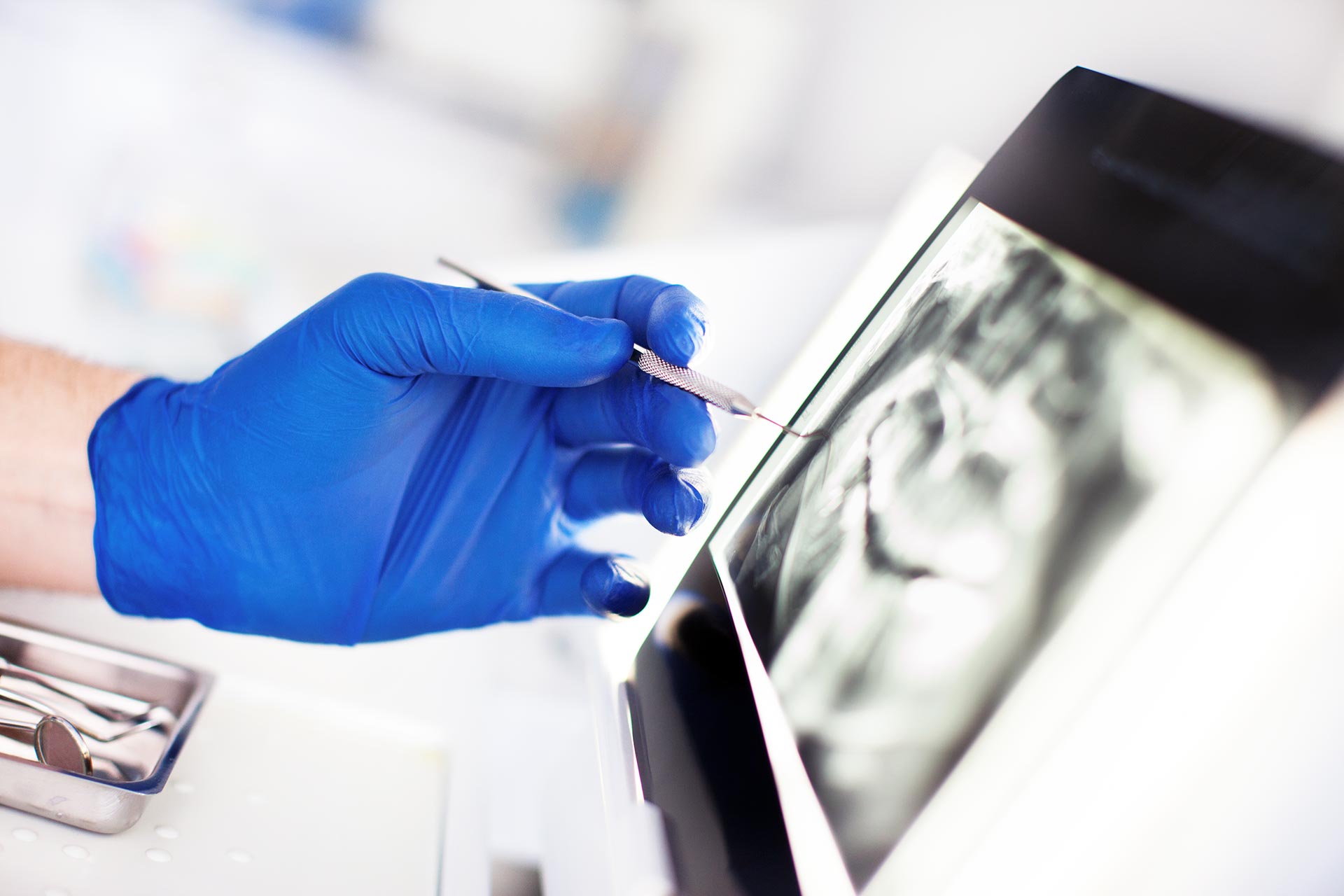
1. Evaluation and Planning: The first step in a sinus lift procedure is a comprehensive evaluation of the patient’s oral health. This includes a thorough examination of the jawbone, sinus cavities, and surrounding tissues. Dental imaging techniques such as X-rays or CT scans may be used to determine the exact dimensions and condition of the bone.
2. Anesthesia: Prior to the surgery, local or general anesthesia is administered to ensure the patient’s comfort throughout the procedure. The choice of anesthesia depends on the complexity of the case and the patient’s preferences.
3. Incision: Once the area is numb, the oral surgeon creates a small incision in the gums, exposing the underlying bone.
4. Sinus Lifting: The surgeon then carefully lifts the sinus membrane upward, creating a space between the sinus and the jawbone. This space is filled with bone graft material, which can be obtained from the patient’s own body (autogenous graft), a donor (allogeneic graft), or synthetic materials (alloplastic graft). The choice of graft material depends on various factors, including the patient’s overall health and preferences.
5. Closure: After the bone graft is placed, the incision is sutured closed, and the healing process begins. Over time, the bone graft material fuses with the existing bone, creating a solid foundation for dental implants.
Recovery and Aftercare
Following a sinus lift procedure, it is common to experience some swelling, discomfort, and mild bleeding. Pain medications and antibiotics may be prescribed to manage any post-operative discomfort and prevent infection. It is essential to follow the dentist’s instructions regarding oral hygiene, diet, and activities during the recovery period.
The healing process typically takes several months, as the bone graft needs time to integrate with the existing bone. Once the healing is complete, dental implants can be placed successfully. Regular dental visits and proper oral hygiene practices will help ensure the long-term success of the implants.
In conclusion, sinus lift surgery is a valuable procedure for individuals with insufficient bone height in the posterior maxilla. By creating additional bone in the sinus area, dental implants can be placed securely, restoring both the functionality and aesthetics of the smile.
you can see teeth veneers dental clinic antalya in here..
you can see best dental clinic antalya from here..


